







CIA Chief Visits Havana Amid Heightened U.S. Tensions
Cuba said talks with a U.S. delegation led by CIA Director John Ratcliffe reaffirmed that the island does not support terrorism or threaten U.S. security.
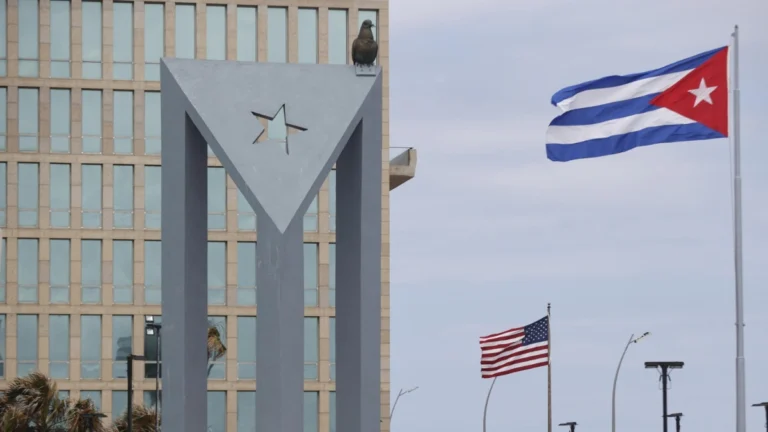
Photo: Cuban and U.S. officials meet in Havana during talks focused on security cooperation and bilateral relations. Photo: EFE
May 14, 2026 Hour: 11:47 pm
🔗 Comparte este artículo
Havana says talks with the CIA confirmed Cuba neither threatens U.S. security nor supports terrorism
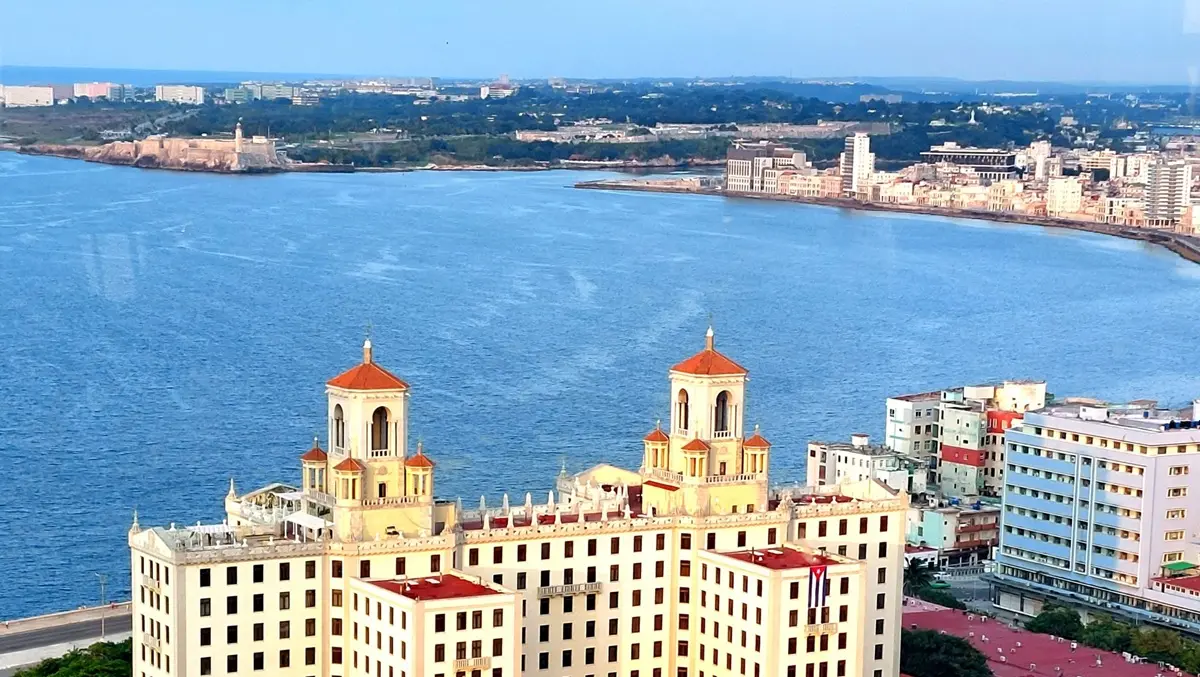
A U.S. delegation led by CIA Director John Ratcliffe held talks in Havana on Thursday with senior officials from Cuba’s Interior Ministry, in a rare high-level intelligence meeting between the two countries amid escalating political tensions.
RELATED: U.S. Formalizes Aid Offer to Cuba for the First Time: FM Rodriguez
According to a statement issued by the Cuban government, the visit took place following a request from Washington and was approved by the Cuban leadership as part of efforts to maintain political dialogue under increasingly strained bilateral conditions.
The Cuban government said discussions with the U.S. delegation “categorically demonstrated that Cuba does not constitute a threat to the national security of the United States, nor are there legitimate reasons to include it on the list of countries that supposedly sponsor terrorism.”
Havana also reiterated what it described as its longstanding position against terrorism “in all its forms and manifestations,” stressing that Cuban authorities have consistently acted against extremist activity.
Text Reads: Information from the Revolutionary Government
The statement further said that Cuba “does not harbor, support, finance or permit terrorist or extremist organizations,” adding that there are no foreign military or intelligence bases on the island. It also stated that Cuba “has never supported any hostile activity against the United States nor will it allow actions against another nation from Cuban territory.”
Cuban authorities said the meeting also reflected a mutual interest in strengthening cooperation between law enforcement and security agencies “for the security of both nations, and regional and international security.”
The visit comes as relations between Cuba and the United States remain under pressure following new sanctions and restrictions imposed by Washington. Cuban authorities say the measures, including tighter constraints affecting fuel access, have intensified the island’s economic and energy crisis.
Havana also pointed to increased U.S. military pressure, citing surveillance flights by U.S. aircraft and drones near Cuban territory, alongside statements by President Donald Trump that Cuban officials and analysts view as threats of intervention.
Text Reads: Our country’s experience in receiving international aid, including from the United States, is extensive and constructive. Any donor can attest to this.
Our country’s experience receiving international aid, including from the U.S., is extensive and constructive. Any donor can attest to this. / If the U.S. government is truly willing to provide aid in the amounts it has announced and in full compliance with universally recognized humanitarian aid practices, it will encounter no obstacles or ingratitude from #Cuba, however inconsistent and paradoxical the offer may seem to a people that the U.S. government itself systematically and ruthlessly punishes collectively. / The priorities are more than evident: fuel, food, and medicine. / Incidentally, the damage could be alleviated more easily and expeditiously by lifting or easing the blockade, since it is known that the humanitarian situation is coldly calculated and orchestrated.
The island continues to face prolonged blackouts and severe fuel shortages affecting industry, public services and daily life.
Earlier Thursday, Foreign Minister Bruno Rodríguez Parrilla said the U.S. government had publicly formalized an offer of humanitarian assistance to Cuba for the first time. He said Havana welcomed the move, while warning that any aid should remain free from political conditions or “attempts to exploit the shortages and suffering of a people under siege.”
Text Reads: For the first time, the #U.S. government publicly formalizes, through a statement from the State Department, an offer of aid to #Cuba valued at 100 million dollars. / It remains unclear whether it will be cash or material aid, and whether it will be allocated to the most urgent needs of the moment for the people, such as fuels, food, and medicines.
Rodríguez added that the greatest relief for Cubans would be the lifting of the U.S. economic, commercial and financial blockade, which Cuban authorities say has intensified in recent years and continues to affect all sectors of society.
Author: MK
Source: presidenciadecuba / @BrunoRguezP /